
About Us
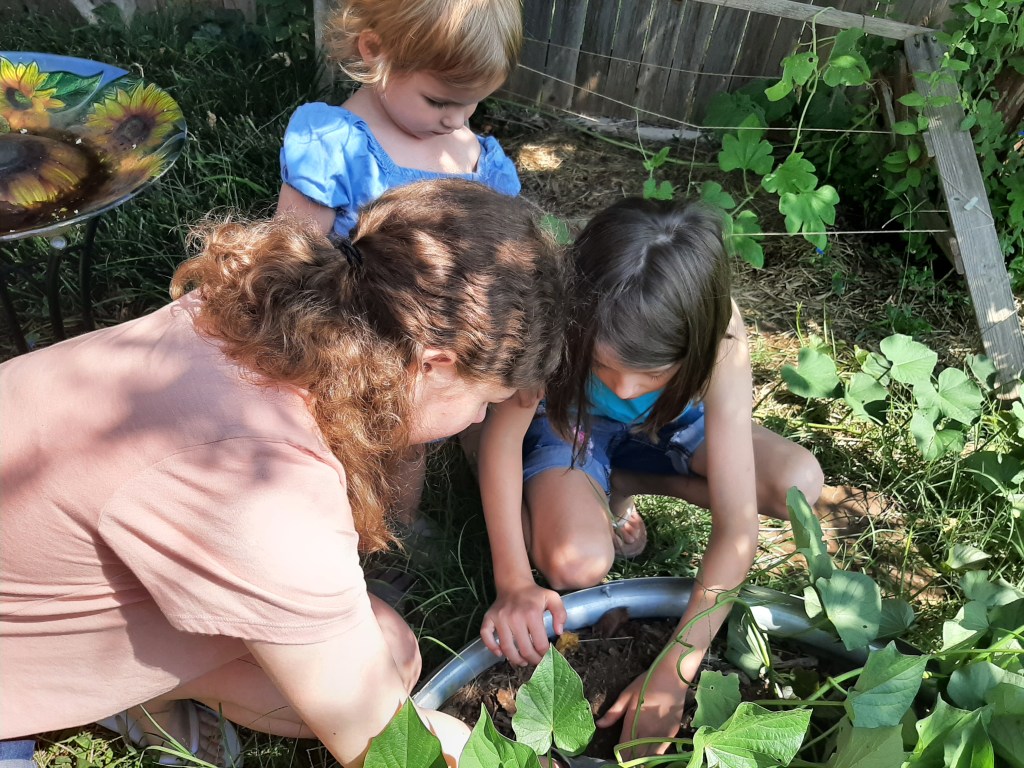
Sequoia Park Forest School provides Christian homeschooling families with an alternative, play-based, outdoor educational program. While many Forest School and Nature-based programs tend to be secular, we want to provide that same opportunity to families who value their faith in God and want their children to learn about the natural world through a biblical perspective.
We do not teach macroevolution (the study of evolutionary processes and patterns that occur above the species level) in our program.
Mission
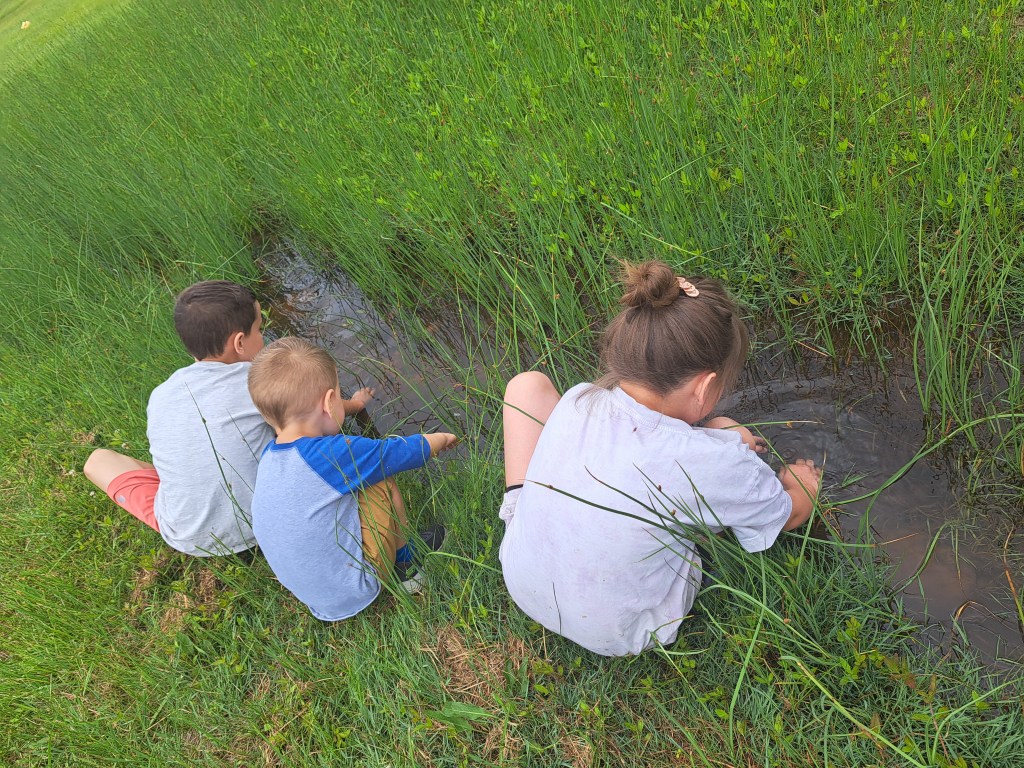
The mission of Sequoia Park Forest School is to pave the way for children to play and learn in a living ecosystem, every day, in nearly all weather, throughout all four seasons. The natural world is endlessly challenging, soothing, changeable, and various. Children who know that they are part of an inspiring larger world become lifelong learners. We encourage resilience, curiosity, confidence, and joy in children.

Values and Beliefs
● We trust children.
● We believe all children deserve time and space to play freely outdoors and that free play is among the most important work they can do.
● We believe children learn best when they are exploring topics they want to learn about while doing so in natural spaces.
● An ideal learning environment for children is a protected part of the real world.
● Tools, loose parts, natural materials, art supplies, and non-human living things should be available to children in learning environments.
● We help children form a kinship with nature and each other.
● We call the grown-ups who work at Sequoia Park ‘playworkers’ and believe their role is to empower children by supporting their play, first and foremost.
● We support self-directed learning and help children discover their own interests by inviting them to explore different topics through various games, activities, materials, skills and child-led free play.
● We think outdoor education should be broader than just ecology. The natural world is also the inspiration for so much art, literature, music, and poetry. Its study offers a deep look into chemistry, math, physics, and engineering.
● We support risk-taking as it is crucial to helping children learn, grow, and adapt.
● We observe rather than lead, question rather than assume, practice patience rather than interruption, and create opportunities rather than curriculum.
● We are building a community and practice care for all members in that community.
● Children and playworkers can create a small, vibrant culture amongst themselves through shared experiences, agreed-on rules, co-constructed legends and stories, and important roles for every individual.
● We are neurodivergent-affirming and are commit to learning, unlearning, and adapting in order to support all types of learners.
Some Questions and Answers About Our Playworking Philosophy
What is a Playworker?
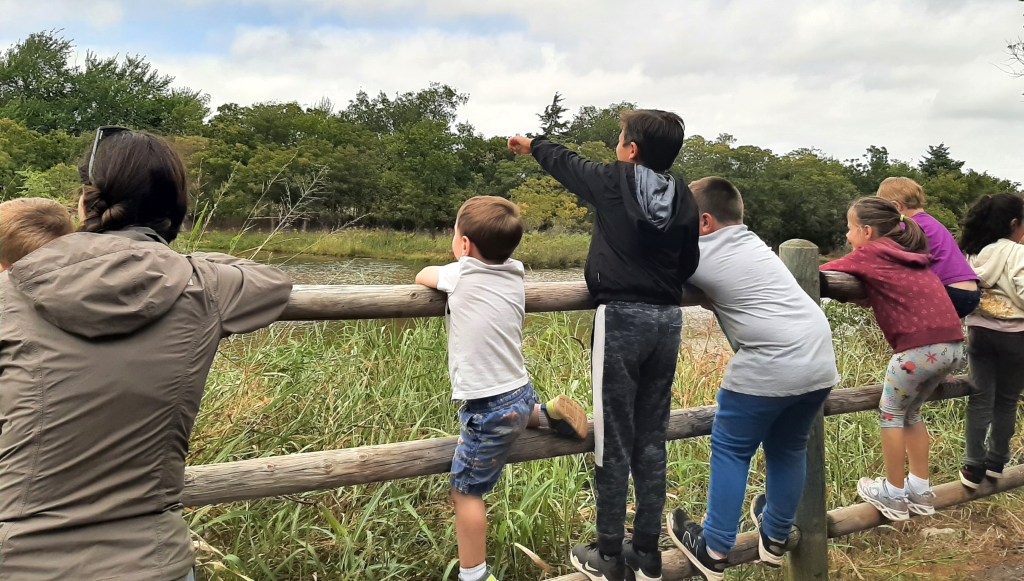
We call the grown-ups who work at Sequoia Park “playworkers,” a term derived from the concept of playwork, which is based on the premise that all children need time and space to play freely, making their own choices and following their own intrinsic motivations.
What is Play? What is the Role of the Playworker Who Facilitates Play?
Play is defined as “a set of behaviors that are freely chosen, personally directed, and intrinsically motivated.” Play “is a biological, psychological and social necessity” that allows children to “integrate their internal and external worlds.” And yet, free play is becoming scarcer in the lives of today’s overscheduled children. Many kids have become more accustomed to engaging in “activities designed to train them for adulthood” and don’t know how to play even when given the opportunity. “Playworkers fill this need. They create playful environments, support children’s own play, assess risk, and help out when needed, without directing or controlling.” (The quotes in this section come from Penny Wilson’s The Playwork Primer, 2010)


 Sequoia Park Forest School